Mushroom Forest SVG: A Graphics Asset for Crafts and Branding
In my design studio, a client brief for a new boutique tea company lands on my desk. They want a visual identity that feels organic, whimsical, and rooted in nature, for their line of herbal blends. My first task is to source a core graphic asset that can anchor this mood across packaging, social media, and merchandise. That’s when I evaluate assets like the Mushroom Forest SVG.
A First Impression of Organic Whimsy
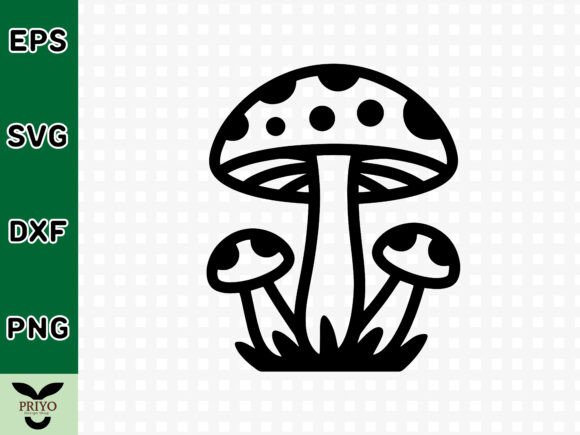
The initial feeling this graphic design asset evokes is one of gentle enchantment. It suggests a forest floor narrative—a detailed, natural scene that isn’t overly rustic or crude. The style leans towards illustrative charm rather than hyper-realism, which immediately opens doors for projects requiring warmth and approachability. This isn’t a corporate icon; it’s a storytelling illustration. It naturally fits clients in the handmade business space, small business branding for eco-friendly products, local artisans, or any brand building a world around nature, fantasy, or mindful living.
Integrating the Asset into Real Client Projects
For my tea company concept, the Mushroom Forest SVG becomes a versatile starting point. In brand identity, it could be adapted as a central motif on product labels and packaging design, perhaps simplified for a logo design accent. Its detail makes it ideal for large layout areas like posters or the hero graphic on their website. For marketing visuals, it can be cropped or elements isolated to create cohesive social media graphics for Instagram posts or Pinterest pins, building a themed collection.
Where This SVG Design Shines
This digital product excels when given space to breathe. Use it as a full-bleed background for a printable design like wall art or an invitation. Its intricate layers work beautifully on product mockups for t-shirt designs, tote bags, or mugs where the print area is generous. As a decorative accent on packaging design or within editorial design for a blog about foraging or gardening, it adds polish. For a Cricut project creating intricate stickers or a sublimation design, the vector nature of an SVG is key.
Caution Points for Practical Application
A designer must be cautious, however. In small sizes—like a tiny logo on a business card—the detail can become muddled, harming readability and visual hierarchy. On crowded layouts with lots of text or other complex graphics, it can compete and create visual noise. It may not suit minimalist branding that requires very clean lines or professional corporate materials demanding stark clarity. Placing it on low-contrast or overly patterned backgrounds can diminish its impact. Always preview it at both large and small scales before committing.
Impact on Brand Perception and Practicality
Using such an asset affects the entire project’s feel. It builds emotional appeal and audience engagement by inviting a story. For a brand, it can enhance visual trust and recognition if used consistently. However, the overall impression must remain professional; the asset shouldn’t look like generic clipart. It needs to feel integrated and purposeful.
Essential Designer Checks Before Client Use
My process always includes these practical notes. First, test the Mushroom Forest SVG in black and white to ensure it holds structural value without color. Check its contrast on both light and dark backgrounds for versatility. Place it on real mockups—a tea box template, a t-shirt flat lay—to see how it interacts with real-world formats. If included PNG files have clean transparency, verify that. Crucially, inspect the SVG file for true vector editability: can I easily recolor, separate layers, or scale it infinitely without quality loss for commercial design?
Typography pairing is next. I compare it with various font styles. A clean sans serif font might ground its whimsy for readability on packaging. A delicate script font could amplify its elegance for an invitation. A mismatched display font could clash. Finally, I always confirm the commercial license explicitly. For any Etsy product, print-on-demand store, or client’s small business, the license must permit commercial use without restriction. This is non-negotiable.
Conclusion: A Versatile Tool for Creative Design
Evaluating the Mushroom Forest SVG from a professional designer’s perspective, it emerges as a robust creative asset. It’s more than just a graphic; it’s a mood-setter for a specific genre of projects. When applied thoughtfully—with attention to scale, context, and typography—it can elevate a brand’s visual language across craft-based merchandise, digital ads, and printable designs. It supports a design direction, helping a final result feel cohesive and polished. For the right client project, like my hypothetical tea brand, it could be the very element that transforms a concept from a simple idea into a tangible, enchanting world.