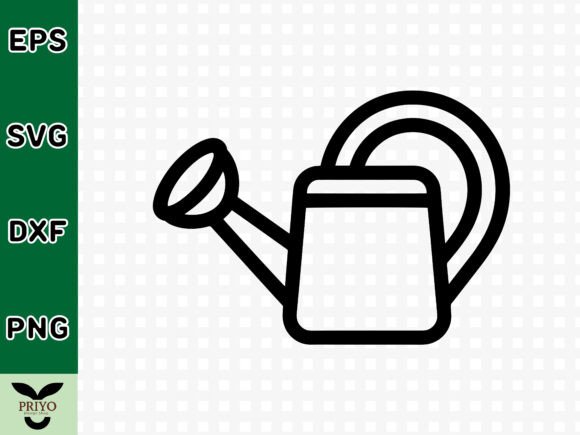
Evaluating the Watering Can SVG Graphic for Commercial Crafts
When I first opened the Watering Can SVG file, my immediate impression was its clean, illustrative style. It feels decorative and rustic, with a handmade charm that avoids being overly cute or cartoonish. This gives it a versatile visual personality—it could appeal to gardeners, home decor enthusiasts, or anyone drawn to a gentle, nature-inspired aesthetic. For an online shop, this means the asset can slot into multiple niches without looking out of place.
Niche Appeal and Target Audience
The design’s mood is subtly elegant and practical. It doesn’t scream “festive” or “seasonal,” which is actually a strength. This watering can graphic has a timeless quality, making it suitable for buyers looking for year-round decor or gifts. I imagine it resonating with customers on Etsy or Creative Fabrica who favor cottagecore themes, simple farmhouse aesthetics, or gentle botanical motifs. As a seller, this broad but focused appeal helps when planning a product collection; you can use it as a core asset across different product types.
Practical Testing for a New Product Launch
Let’s say I’m preparing a new digital download collection for my Shopify store. My first step with any graphic design asset like this is a real-world test. Before I list anything, I drop the Watering Can SVG into several mockups. Does it work as a t-shirt graphic on a plain tee? How does it look scaled for a mug design? I create previews for printable wall art, a tote bag print, and even a simple tumbler wrap. This isn’t just about checking if it fits; it’s about seeing how the design’s visual hierarchy holds up at different sizes and on different products.
The product description mentions versatility for prints, t-shirt designs, mug making, and posters. In practice, this means testing the SVG’s cut lines if I’m making physical Cricut projects like planner stickers or greeting cards, and checking the PNG’s transparency and resolution for sublimation designs or digital paper packs. For a Canva template seller, integrating this clipart into a social media template or blog graphic layout is a crucial test to ensure it complements text and other elements without overpowering them.
Where This Design Asset Excels
For product presentation, this watering can illustration is strong in several key areas. Its clear, defined lines make it excellent for large product previews and mockups. When used in a marketplace listing thumbnail, it has enough visual interest to attract clicks without being overly complex. It lends itself well to themed bundles—pairing it with other garden-themed graphics for a cohesive digital product bundle increases perceived value.
It supports brand consistency for a small business focusing on nature or crafts. Using it across different products—like sticker designs, invitation templates, and nursery prints—creates a recognizable visual storytelling thread that builds customer trust. Its style is particularly effective for decorative layouts in printable products and for clean merchandise graphics on light-colored items like mugs or tote bags.
Seller Notes and Pre-Publishing Checks
Before publishing any listing using this commercial design, I follow a checklist. First, I preview the design as a marketplace thumbnail, seeing how it looks compressed. I test it on both white and dark backgrounds to check contrast. For print-on-demand, I verify the file resolution is sufficient for large formats like posters. If selling the SVG for Cricut projects, I inspect the cut quality in my software to ensure there are no open paths or overly intricate details that might cause cutting issues.
Organization is key. When offering this as a digital download, I ensure the files—SVG, PNG, perhaps a DXF—are clearly labeled and bundled neatly for the customer. I also experiment with pairing the graphic with different font styles. A serif font gives a classic, editorial feel for greeting cards; a playful script font leans into a more feminine, handmade business vibe; a clean sans serif font makes it feel modern and commercial for packaging design or social media graphics. Crucially, I always confirm the commercial license is clear and permits selling the finished products I create.
Potential Limitations and Careful Application
While versatile, this asset should be used carefully in certain contexts. Its illustrative details might get lost if used for tiny sticker details. In overly complex layouts or crowded thumbnails, it could become visually weak. It likely wouldn’t work well on text-heavy templates where it needs to be a minor accent.
The design’s success on dark backgrounds depends entirely on the color version used; a single-color outline might disappear. For products where clean cutting lines are paramount for Silhouette or Cricut projects, I need to be confident the SVG is technically sound, not just visually appealing. It might not suit products requiring a bold, aggressive graphic or a minimalist, ultra-premium look.
Final Thoughts for the Creative Entrepreneur
From the point of view of an experienced digital product creator, the Watering Can SVG is a solid, workable graphic design asset. It won’t single-handedly transform a shop, but it will reliably enhance a collection. Its true value comes from systematic testing across your intended product range—from sublimation designs to scrapbooking kits—and from integrating it thoughtfully into your overall brand identity.
By using it to create professional-looking mockups and bundling it strategically with complementary assets, you can build a more cohesive and attractive online shop. It’s a practical tool for crafters, print-on-demand sellers, and content creators looking to add a touch of rustic elegance to their commercial creative assets without reinventing their entire visual approach. The key, as always, is to treat it as a component in a larger system, not as a magic bullet, and to validate its performance in the real scenarios your customers will encounter.